
Reclaim Sleep From Back Pain
Back pain is a common physical condition that affects the spine, muscles, and surrounding nerves—and for many people, it becomes most noticeable at night. When your back hurts, falling asleep and staying asleep can feel like a nightly battle. The good news is that small, practical changes can meaningfully improve sleep quality, even while you’re managing ongoing discomfort.
Quick Snapshot of What Helps Most
Better sleep with back pain usually comes down to alignment, consistency, and calming the nervous system. Supportive sleep positions, the right mattress and pillow setup, gentle movement during the day, and pain-aware bedtime routines all work together. No single trick fixes everything, but the combination matters.
Why Back Pain Disrupts Sleep
Pain signals keep your nervous system alert. Add poor spinal alignment or pressure points, and your body never fully relaxes. Inflammation can also peak at night, which explains why stiffness often feels worse in the morning. Understanding this makes it easier to choose strategies that actually reduce nighttime stress on your back.
Sleep Positions That Reduce Strain
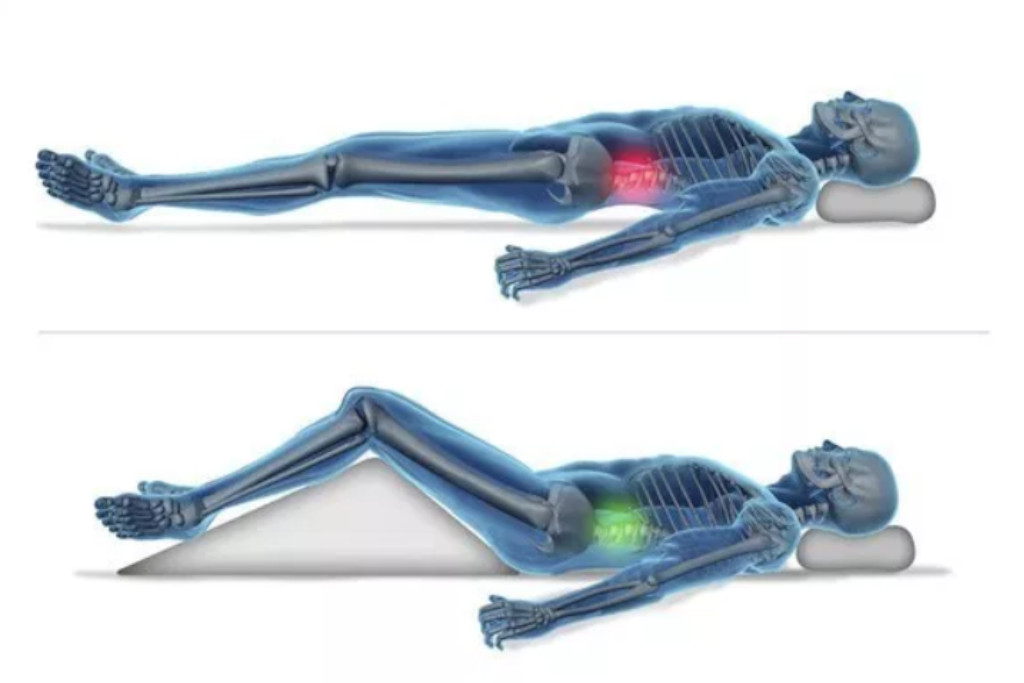
Your sleep posture has a direct effect on spinal alignment. Some positions help your back recover; others quietly aggravate it for hours.
Positions That Tend to Help Most:
- Sleeping on your back with a pillow under your knees
- Sleeping on your side with a pillow between your knees
- Using a small lumbar-support pillow to maintain natural curves
Stomach sleeping is usually the hardest on the spine, especially if back pain is already present.
Simple Nighttime Setup Checklist
Use this as a quick reset if sleep has been rough lately:
- Mattress provides support without sagging
- Pillow keeps your neck aligned with your spine
- Room temperature is cool and consistent
- Screens are off at least 30–60 minutes before bed
- Gentle stretching or breathing is part of your routine
These details don’t sound dramatic, but they reduce small stressors that add up overnight.
When Professional Care Is Needed
Persistent back pain sometimes needs more than home adjustments. Seeing a chiropractor can help address spinal alignment, joint mobility, and muscle tension that interfere with restful sleep (this is a good place to start).
If your pain started after a car accident, it’s especially important to find a chiropractor experienced in accident-related injuries such as herniated disks or spinal cord trauma. Treatment length varies—some people feel improvement after a few visits, while others require longer-term care depending on injury severity and how their body responds.
Movement During Day Matters at Night

Ironically, avoiding movement can worsen nighttime pain. Light, consistent activity keeps muscles flexible and improves circulation.
Try:
- Short walks after meals
- Gentle yoga or mobility work
- Core-strengthening exercises approved by a professional
Avoid intense workouts right before bed, as they can increase inflammation or make it harder to unwind.
Sleep Tools: What Helps
Here’s a quick comparison to help prioritize what’s worth trying:
| Sleep Aid or Habit | Potential Benefit | Notes |
| Firm or medium-firm mattress | Improves spinal support | Comfort still matters |
| Heated blanket or pad | Relaxes muscles | Use low heat |
| Over-the-counter pain relievers | Short-term relief | Avoid nightly dependence |
| White noise | Reduces sleep disruptions | Helpful if pain causes light sleep |
Frequently Asked Questions
Can back pain really improve without medication?
Yes. Many people see improvements through posture changes, better sleep setups, movement, and stress reduction alone.
Is it normal for pain to feel worse at night?
It is. Reduced movement and increased inflammation can amplify discomfort during rest.
How long should I try sleep changes before expecting results?
Most people notice small improvements within one to two weeks if changes are consistent.
Does stress make back pain worse during sleep?
Absolutely. Stress tightens muscles and increases pain sensitivity, which disrupts deep sleep.
One Last Thing Before Bed
Improving sleep while dealing with back pain is rarely about a single fix. It’s a layered process: better alignment, calmer evenings, and smarter daytime habits. Progress may feel gradual, but better sleep often arrives sooner than expected. Treat nighttime comfort as part of your recovery—not a luxury—and your back (and brain) will thank you.